
Live casino holdem: What Canadian Players Need to Know About Live Dealer Games
Live dealer hold ’em differs from the digital table mostly in how the cards arrive: a real dealer shuffles and deals through a camera stream, while a random-number generator decides the outcome. That difference matters most when you judge a site on trust and pacing instead of on how fast it loads. A live table gives you a visual audit of each deal and a fixed betting cadence, which suits players who want to see the action and set limits around it. It also costs more in time and stake per hand than a software version. Check the dealer’s schedule, minimum bet, and stream quality before committing, since those determine whether the experience fits your bankroll and your patience.
Understanding Live Casino Hold’em in Canada
When Canadian players search for ‘live casino holdem’, they are typically looking for an immersive online gaming experience that bridges the gap between digital convenience and the social atmosphere of a physical casino. The term encompasses two distinct but related concepts: the specific poker variant known as Texas Hold’em played with a human dealer, and the broader category of live dealer table games where ‘Hold’em’ is used colloquially to describe any game involving holding cards against the house or other players.
At its core, a live casino game relies on real-time video streaming from a studio or actual casino floor to your device. A professional dealer manages physical cards and equipment, while software handles betting interfaces and payouts. This setup ensures transparency; you can see the cards being dealt, shuffled, and burned just as you would at a land-based table. In regulated Canadian markets, particularly Ontario under iGaming Ontario (iGO), these games must adhere to strict standards regarding stream quality, dealer conduct, and game integrity.
It is crucial to distinguish these live experiences from Random Number Generator (RNG) games. RNG games use algorithms to determine outcomes instantly upon clicking ‘deal’. While convenient, they lack the social element and visual verification of physical card handling. Live dealer games offer a middle ground: the speed and accessibility of online play combined with the tangible reality of physical cards. For many Canadian players, this distinction is vital for trust and entertainment value.
The popularity of live Hold’em variants has surged since single-event sports betting became legal across Canada in 2021. Operators have expanded their live dealer offerings to include multiple poker-style games, catering to players who enjoy strategic decision-making over pure chance. However, the term ‘Hold’em’ in this context can be ambiguous. Some players seek the competitive player-vs-player environment of Texas Hold’em, while others prefer the player-vs-house structure of Caribbean Stud Hold’em. Understanding this difference is essential before placing any bets.
Operator comparison: games, accounts and verification
Live games strip the last of that distance. What you can actually do today is pick a table that matches how much risk you want per spin instead of chasing a name.
| Brand | Details |
|---|---|
| Spingenie | Live dealer section alongside slots and tables; mobile-focused platform. |
| swiper | Slots, live casino, table games and sportsbook on one site. |
| 649 olg | букмекер + казино |
| Savaspin | Slots, live dealers, tables and sportsbook; Curaçao-licensed operator. |
| olg home | Provincial casino and sportsbook under one login; eligibility gates apply. |
The difference lands in the dealer window and the bet limits.
Spingenie: live casino in the mix, mobile-first
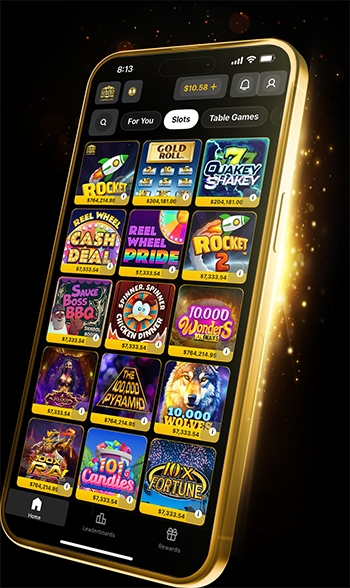
Spingenie markets itself as a mobile-first modern casino aimed at the Canadian market, and live dealers sit alongside slots and table games as part of that mix. What that means for a player is less about a single signature table than about consistent access: the platform runs live casino content through its own site, so you open the live section from the same lobby you use for slots instead of from a separate app or portal. One practical caveat is that live tables are typically available by device and region, so a browser-based flow may behave differently from a dedicated app. The operator is described as an online casino licensed under an international licence, which is the kind of claim worth confirming on the site before registering instead of taking from a review.
Swiper: sportsbook and live casino under one brand
Swiper positions itself as a combined sportsbook and casino brand, and live dealers are part of the casino offering alongside slots and table games. The practical effect is that live tables do not stand alone in the navigation; you reach them through a casino tab that shares the account with sports betting, so a single deposit funds both. Live coverage here is best described as present instead of extensive, since the brand is newer and less documented on the Canadian market, which is exactly why you should check what is actually running before players plan a session. A real-money account is implied by the casino description, but the exact table count and any regional limits are not stable facts and should be confirmed in the live lobby itself.
649 OLG: lottery name, live casino through OLG
The name 649 OLG is a conflation: 649 is a well-known national lottery where players pick six numbers from forty-nine, while OLG is the Ontario Lottery and Gaming Corporation that runs it. That distinction matters because a live casino does not sit inside the 649 lottery product itself. If you are looking for live dealer tables, you use OLG’s online casino and sportsbook platform, not the 649 draw interface. OLG is a government operator under Ontario’s regulatory control, which keeps the same eligibility and age rules across lottery, casino and sports betting, but it also means live tables are one component of a broad provincial portfolio instead of a standalone live brand. Treat 649 as the lottery entry point, and as the place for live games.
Gagner au casino | comprendre la mise et les jeux éligibles
Savaspin: Curaçao-licensed live dealer casino
Savaspin operates under a Curaçao licence and runs slots, table games, live dealers and a sportsbook from a single platform. The live section is reachable from the same account as the rest of the casino, so deposits made for slots are typically usable at live tables unless a game-specific rule says otherwise. Because the site is offered in several languages, including Russian and English, the live lobby interface is likely to present game names and dealer chat in the language you selected, which changes the experience more than any single table title does. The brand belongs to NALUX N.V., registered in Curaçao, so player protection relies on that licence’s framework instead of a provincial Canadian regulator, a distinction that affects dispute resolution as much as it affects bonus terms.
OLG Home: live casino as part of a provincial platform
OLG Home is the Ontario Lottery and Gaming Corporation’s own online portal, and that structure shapes what live casino means here. As a government-run operator, OLG bundles its online casino with sports betting, so live games are one channel among several instead of the product itself. You log in once, and the same account gives you access to lottery, casino and sportsbook, which removes the friction of juggling separate logins but also means live tables share the platform with provincial lottery products. OLG requires players to be Ontario residents and meet the 18+ age threshold, a hard eligibility gate that applies uniformly across all its channels. If you want a regulated, provincially supervised live experience, that is the main advantage over a foreign-licensed site.
How Live Hold’em Games Work: Texas vs. Caribbean
The difference between the two most common live dealer Hold’em formats comes down to one structural question: does your hand beat the dealer’s, or does it beat a board of community cards? Live casino Texas Hold’em and Caribbean Hold’em look similar at first glance, but the betting flow and the win conditions diverge enough that the right choice depends on how much risk you want to carry per hand.
In live Texas Hold’em, you receive two private cards and compete against the dealer using five shared community cards. The dealer must qualify with at least a pair before the board counts, and players can fold whenever the board looks unfavourable. That fold option is the main lever for controlling losses: if the flop shows three cards that clearly miss your range, sitting out the next street costs only the ante. The downside is that community cards reduce your edge — a good starting hand can lose simply because the board paired the dealer. Watch the qualify rule; it varies by table and directly affects how often you stay in.
Caribbean Hold’em replaces the community-card board with a fixed dealer hand. You still get two private cards plus five community cards, but there is no qualifying requirement and no choice about folding. The dealer’s hand must be Ace-King high or better to play; otherwise every active player gets paid on the ante regardless of their cards. This structure removes the fold decision entirely and shifts risk onto the pair-plus side bet, which pays out for two pair, trips, straights and better. The pair-plus bet is optional and usually carries a higher house edge than the main game.
| Feature | Texas Hold’em | Caribbean Hold’em |
|---|---|---|
| Win condition | Player hand beats dealer hand | Player hand beats fixed dealer hand |
| Dealer qualifies | Dealer must hold at least a pair | Dealer needs Ace-King high or better |
| Fold option | Yes, before the river | No |
| Side bet | Usually none | Pair-plus typically available |
| Main decision point | Whether to continue with the board | Whether to take the pair-plus bet |
Neither format guarantees a profit; both pay out according to a posted pay table. Before sitting down, check that table on the lobby screen. If a pair-plus payout for a flush or full house is reduced from 3-to-1 to 4-to-5, the edge swings noticeably over many hands. The structure stays the same, but the pay table is the real variable in every game you see.
Risk Management and Responsible Gambling Tools
Setting a hard budget before the first hand
The most reliable control is a spending limit you set before players sit down, not one you decide on after a few wins. A limit is not a suggestion to return to later; once it is reached, the session ends. Write the number on a piece of paper or type it into a calculator app instead of relying on memory. For example, if you decide to spend $50, treat that as the full cost of an evening’s entertainment. A common mistake is to keep playing because you are "close" to recovering a previous loss, which usually turns a fixed cost into an open-ended one. Many sites offer a deposit limit, loss limit or session timer you can activate from your account settings. If a tool is not visible, that is a limitation of the site, not of your discipline; move to a different operator that provides it. A timer helps here because live tables run continuously without the natural pauses of a machine, so it is easy to lose track of time.
Wynn Casino | access, games, payments and account questions
Recognising when to stop and where to get help
The second line of defence is knowing the warning signs instead of trusting your mood. Irritability, chasing losses and borrowing money to gamble are signals that the activity is no longer entertainment. Live casino games feel more social than software versions, which can mask how quickly a session grows. If you find yourself planning your next deposit while the table is still running, that is a clear cue to log out. Most reputable sites provide self-exclusion and cooling-off periods that suspend your account for a chosen number of days or months. These are not penalties and they do not require approval from a manager; they are a standard feature you can turn on yourself. Some sites also offer reality checks that remind you how long you have been playing. If you feel unable to stick to your own limits, speak to someone outside the casino instead of arguing with a chat agent.
Frequently asked questions
How does a live dealer hold ’em table differ from a software version?
A live table runs from a studio with a real dealer, physical cards and a live video stream. Software versions generate results with a certified random number generator and play at the speed you choose. The live format changes the pace, not the underlying odds or the rules. You sit at a table that shows the other players’ actions as they happen, so you see the same decisions a physical table would. A software version lets you play many hands in the time it takes to watch one live round.
Can I play live hold ’em on my phone or tablet?
Yes, provided the casino streams the table through a browser or app that supports your device. Video tables need a stable connection, so the game may pause or drop quality on a weak network. Check the casino’s payment and game pages for the supported platforms and the minimum connection requirements before starting playing.
What happens if my connection drops during a live hand?
The table software settles the hand automatically and posts the result to your account, so you cannot lose or win the bet twice. You do not need to replay the round, and the dealer does not wait for your device to reconnect. After the connection returns, open your account balance or transaction history to confirm the result. If the amount shown does not match the table, raise a dispute with the casino and quote the hand number and the time it occurred.
Check Table Stakes Against Your Planned Gambling Budget
- The table rules change your bankroll faster than the odds do. A 3:2 payout on a natural beats 6:5, and a site that pays 6:5 on a natural adds roughly 1.4 percentage points to the house edge.
- Watch the dealer’s hand. A rule that lets the dealer hit a soft 17 lowers your expected return, while a rule that stands on all 17s is better for you.
- Side bets carry their own edge, often 5% or more, and they drain the bankroll before the main hand matters.